
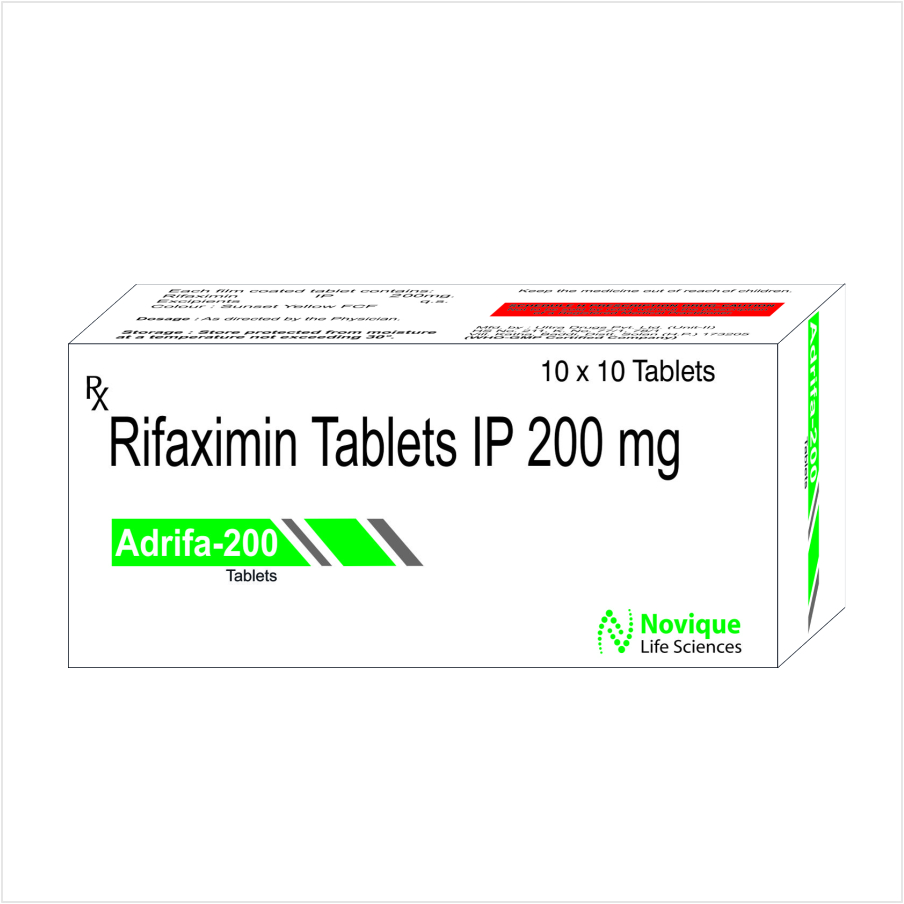
Rifaximin 200 mg Uses
Rifaximin 200 mg uses include the treatment of traveller’s diarrhea, intestinal bacterial infections, and selected cases of irritable bowel syndrome with diarrhea (IBS-D). It works primarily inside the gut, limiting bacterial growth while minimizing effects on the rest of the body.
Introduction to Rifaximin 200 mg
Understanding rifaximin 200 mg uses is essential for patients and caregivers dealing with gastrointestinal conditions caused by bacterial imbalance. Rifaximin 200 mg is a gut-selective antibiotic that has become widely used due to its targeted action and favorable safety profile.
Unlike many traditional antibiotics, rifaximin remains largely within the intestinal tract, allowing it to act directly where harmful bacteria are present. This unique feature reduces systemic side effects and makes rifaximin a preferred choice for specific digestive disorders.
What Is Rifaximin 200 mg?
Rifaximin 200 mg is an antibiotic from the rifamycin class. It is designed to work locally in the gastrointestinal system rather than circulating widely throughout the body. This property makes it particularly effective for infections and conditions linked to gut bacteria.
Rifaximin is not effective against viral or fungal infections. Its therapeutic value lies in controlling bacterial populations that cause symptoms such as diarrhea, bloating, and abdominal discomfort.
How Rifaximin 200 mg Works
Rifaximin works by blocking bacterial RNA synthesis. This prevents bacteria from producing essential proteins required for survival and reproduction. As a result, bacterial growth slows down and the infection resolves naturally.
Because rifaximin is poorly absorbed into the bloodstream, its action remains concentrated in the intestines. This mechanism explains why many rifaximin 200 mg uses focus on gut-related conditions.
Key Rifaximin 200 mg Uses
1. Traveller’s Diarrhea
The most common rifaximin 200 mg use is the treatment of traveller’s diarrhea caused by non-invasive strains of bacteria. It helps shorten the duration of diarrhea and improves overall recovery.
2. Intestinal Bacterial Infections
Rifaximin 200 mg is prescribed for bacterial infections of the intestines that lead to loose stools, abdominal pain, and bloating.
3. Irritable Bowel Syndrome with Diarrhea (IBS-D)
In certain patients, rifaximin is used to manage IBS-D by reducing bacterial overgrowth linked to gas production and frequent diarrhea.
4. Control of Harmful Gut Bacteria
Another important rifaximin 200 mg use is decreasing pathogenic gut bacteria while preserving beneficial microorganisms.
Benefits of Rifaximin 200 mg
- Acts directly in the gastrointestinal tract
- Minimal absorption into the bloodstream
- Lower risk of systemic side effects
- Well tolerated by most patients
- Effective for targeted gut conditions
These advantages make rifaximin 200 mg a valuable option for treating specific bacterial digestive disorders.
Side Effects of Rifaximin 200 mg
Common Side Effects
- Nausea
- Abdominal discomfort
- Gas or bloating
- Headache
Less Common Side Effects
- Dizziness
- Changes in bowel habits
- Fatigue
Rare Side Effects
- Allergic reactions
- Worsening diarrhea
Safety and Precautions
Rifaximin 200 mg should only be taken under medical supervision. Individuals with severe liver disease or known allergies to rifamycin antibiotics should inform their healthcare provider before use.
Responsible antibiotic use is essential to prevent resistance and maintain long-term effectiveness.
Frequently Asked Questions
What are the main rifaximin 200 mg uses?
Rifaximin 200 mg is mainly used for traveller’s diarrhea, intestinal bacterial infections, and IBS-D.
Is rifaximin 200 mg an antibiotic?
Yes, rifaximin 200 mg is an antibiotic that works mainly in the gut.
Does rifaximin treat viral diarrhea?
No. It is effective only against bacterial causes.
Is rifaximin absorbed into the bloodstream?
Only minimal amounts are absorbed, allowing localized gut action.
Can rifaximin be used long-term?
Duration depends on medical evaluation and the condition being treated.
Is rifaximin safe?
When used correctly under medical guidance, it is generally well tolerated.
Conclusion
Rifaximin 200 mg uses focus primarily on managing bacterial conditions of the gastrointestinal tract. Its targeted action, minimal systemic absorption, and favorable safety profile make it a trusted option for treating traveller’s diarrhea, intestinal infections, and selected IBS-D cases.
When used responsibly under medical supervision, rifaximin 200 mg remains an effective and reliable therapy for gut-related bacterial disorders.