
Ranitidine Syrup 75mg: Complete Guide to GERD, Ulcer & Acid Reflux Treatment
For millions suffering from acid reflux, heartburn, and gastric ulcers, finding effective and reliable relief is essential. Among the well-established treatments in gastroenterology, ranitidine syrup has proven to be a trusted medication for reducing excess stomach acid. This comprehensive guide focuses on Ranitidine 75mg Syrup – its uses, benefits, proper administration, and the quality assurance provided by leading manufacturers like Novique Life Sciences.
What is Ranitidine Syrup?
Ranitidine syrup is a liquid oral medication belonging to the H2 (histamine-2) blocker class. It works by significantly decreasing stomach acid production, providing relief from conditions caused by excess acidity. The syrup formulation offers distinct advantages for personalized dosing, making it ideal for children, the elderly, and patients who have difficulty swallowing tablets or capsules.
Ranitidine Syrup 75mg: Primary Uses and Mechanism
Ranitidine Syrup 75mg is specifically used to treat conditions caused by excess stomach acid, such as gastroesophageal reflux disease (GERD) and peptic ulcer disease. This formulation works by reducing the amount of acid produced in the stomach, thereby effectively relieving symptoms such as heartburn, acidity, and stomach discomfort.
This ranitidine syrup concentration helps promote the healing of existing stomach and intestinal ulcers while preventing them from recurring. It is also commonly prescribed to prevent heartburn and ulcers that can be caused by the prolonged use of certain painkillers (NSAIDs). The 75mg strength provides an optimal balance of efficacy and safety for many patients.
Therapeutic Applications of Ranitidine Syrup 75mg
The clinical applications of Ranitidine Syrup 75mg are extensive and well-documented:
- Gastroesophageal Reflux Disease (GERD): Effectively neutralizes acid to relieve chronic heartburn and regurgitation.
- Peptic & Gastric Ulcers: Promotes healing of ulcers in the stomach and duodenum by creating a less acidic environment.
- Erosive Esophagitis: Helps repair acid-induced damage to the esophageal lining.
- Prophylactic Use: Prevents ulcers and heartburn in patients requiring long-term NSAID therapy.
- Zollinger-Ellison Syndrome: Manages excessive gastric acid secretion in this rare condition.
Key Mechanism: How Ranitidine Syrup Works
Ranitidine functions as a competitive inhibitor of histamine at the H₂ receptors of gastric parietal cells. By blocking these receptors, it inhibits basal and stimulated gastric acid secretion, leading to a significant reduction in both the volume and concentration of gastric acid. This action provides symptomatic relief and creates optimal conditions for ulcer healing.
Quality Manufacturing by Novique Life Sciences
In pharmaceutical production, quality, consistency, and safety are non-negotiable. Novique Life Sciences maintains these standards through rigorous manufacturing protocols. For ranitidine syrup production, this means ensuring precise concentration accuracy, stability of the active pharmaceutical ingredient, optimal palatability, and strict adherence to International Pharmacopoeia (IP) standards.
Nudodine Syrup: Quality Ranitidine Formulation
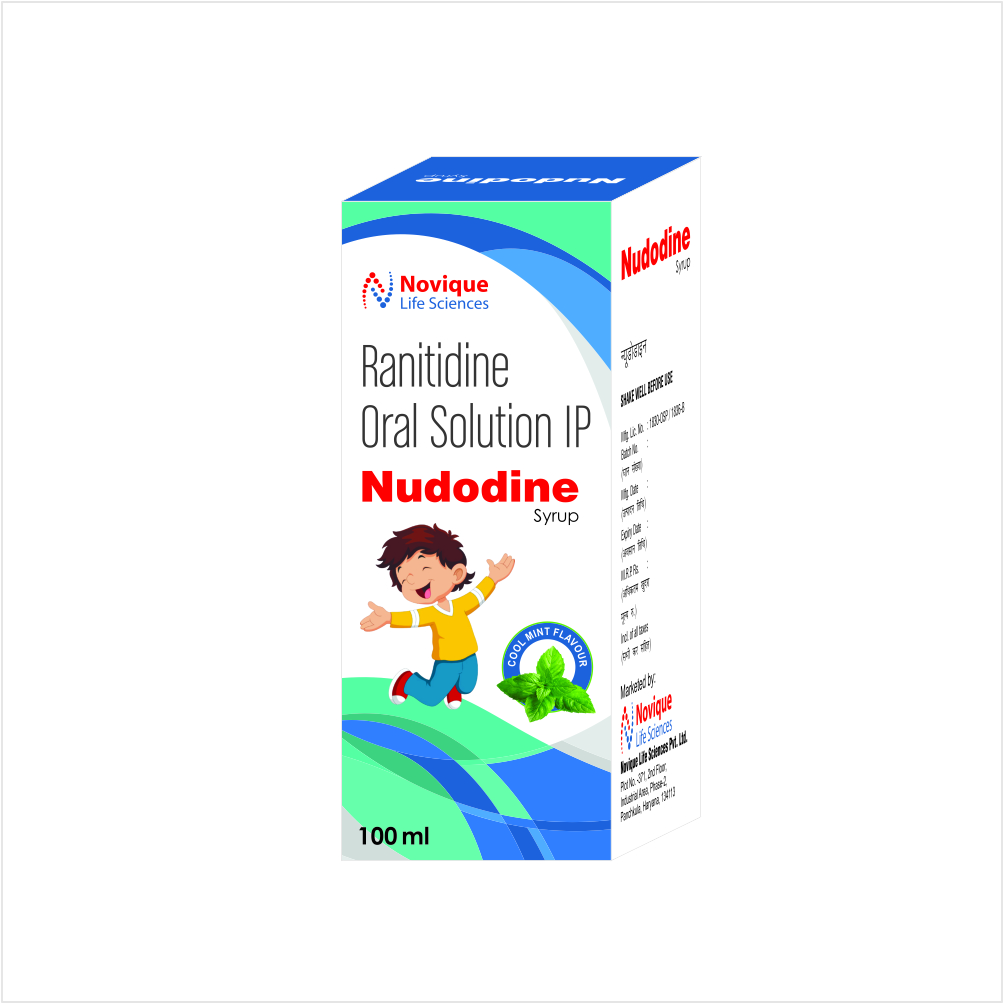
As part of its commitment to gastrointestinal health, Novique Life Sciences offers Nudodine Syrup – a reliable formulation of Ranitidine Oral Solution IP available in a convenient 100ml bottle. This product exemplifies the company's dedication to creating accessible, effective therapeutic solutions. The syrup format ensures ease of administration, making ranitidine syrup a practical choice for both clinical settings and home management of acid-related conditions.
Dosage Guidelines & Administration
Proper usage of Ranitidine Syrup 75mg is crucial for optimal therapeutic outcomes:
- Standard Adult Dose: Typically 75mg to 150mg (5-10ml) twice daily or as prescribed
- Pediatric Dose: Calculated based on body weight (1-2mg/kg) under medical supervision
- Administration: Use the provided measuring device for accuracy. Shake well before use.
- Timing: For preventive use, take 30-60 minutes before meals or trigger foods.
- Duration: Complete the full prescribed course even if symptoms improve earlier.
Important Safety Precautions
Always consult your healthcare provider before starting any new medication. Inform your doctor about your complete medical history, especially regarding kidney or liver conditions. Discuss all other medications and supplements to avoid potential interactions. Regular monitoring may be recommended during long-term ranitidine syrup therapy.
Complementary Lifestyle Modifications
While ranitidine syrup provides pharmacological relief, lifestyle adjustments enhance treatment effectiveness:
- Dietary Management: Identify and limit trigger foods (spicy, fatty, acidic, caffeinated)
- Meal Patterns: Consume smaller, more frequent meals and avoid eating 2-3 hours before bedtime
- Weight Management: Maintain healthy weight to reduce abdominal pressure on stomach
- Posture: Elevate the head of your bed 6-8 inches to prevent nocturnal reflux
- Avoid Triggers: Limit alcohol consumption and quit smoking
Frequently Asked Questions (FAQs)
What conditions does Ranitidine Syrup 75mg treat?
Ranitidine Syrup 75mg is primarily used to treat GERD, peptic ulcers, heartburn, and conditions caused by excess stomach acid. It helps heal stomach/intestinal ulcers and prevents ulcer recurrence. It's also prescribed to prevent ulcers caused by painkiller use.
Can ranitidine syrup be given to children?
Yes, ranitidine syrup is often prescribed for pediatric use, but the dosage must be carefully determined by a pediatrician based on the child's weight, age, and specific condition.
How does Ranitidine 75mg Syrup work?
It works by reducing the amount of acid produced in the stomach. As an H2 blocker, it inhibits histamine receptors on stomach cells, decreasing acid secretion and providing relief from heartburn, acidity, and stomach discomfort while promoting ulcer healing.
How should I store ranitidine syrup?
Store at room temperature (15-30°C), away from direct light, moisture, and heat. Keep the bottle tightly closed and out of reach of children. Do not use after the expiration date.
What should I do if I miss a dose of ranitidine syrup?
Take the missed dose as soon as you remember. If it is almost time for the next dose, skip the missed dose and resume your regular schedule. Do not double the dose to catch up.
Are there common side effects of ranitidine syrup?
Most patients tolerate ranitidine syrup well. Some may experience mild side effects like headache, constipation, diarrhea, or dizziness. Contact your doctor if any side effects persist or worsen.
Conclusion: Informed Management of Acid-Related Conditions
Effective management of gastrointestinal conditions requires accurate information and quality medications. Ranitidine 75mg Syrup remains an important therapeutic option for controlling excess stomach acid, with its liquid formulation offering specific advantages for diverse patient populations. When selecting medication, partnering with a reputable pharmaceutical manufacturer is essential. Novique Life Sciences, through products like Nudodine Syrup, demonstrates a consistent commitment to quality, safety, and patient well-being in the healthcare sector. Always consult with your healthcare provider for personalized medical advice and to determine the most appropriate treatment plan for your specific health needs.
Disclaimer: This information is for educational purposes only and does not constitute medical advice. Always consult with a qualified healthcare professional for diagnosis and treatment of medical conditions. Medication should be taken only as prescribed by your doctor.