
Is Rifaximin 400 mg Safe? Comprehensive Analysis of Uses, Results, and Common Myths Busted
In the evolving landscape of gastrointestinal medicine, one question frequently arises among patients and healthcare providers alike: Is Rifaximin 400 mg uses Safe? This non-systemic antibiotic has revolutionized treatment approaches for several challenging digestive conditions. Through evidence-based analysis, this guide from Novique Life Sciences examines the safety profile, clinical applications, therapeutic outcomes, and addresses widespread misconceptions about Rifaximin 400 mg.
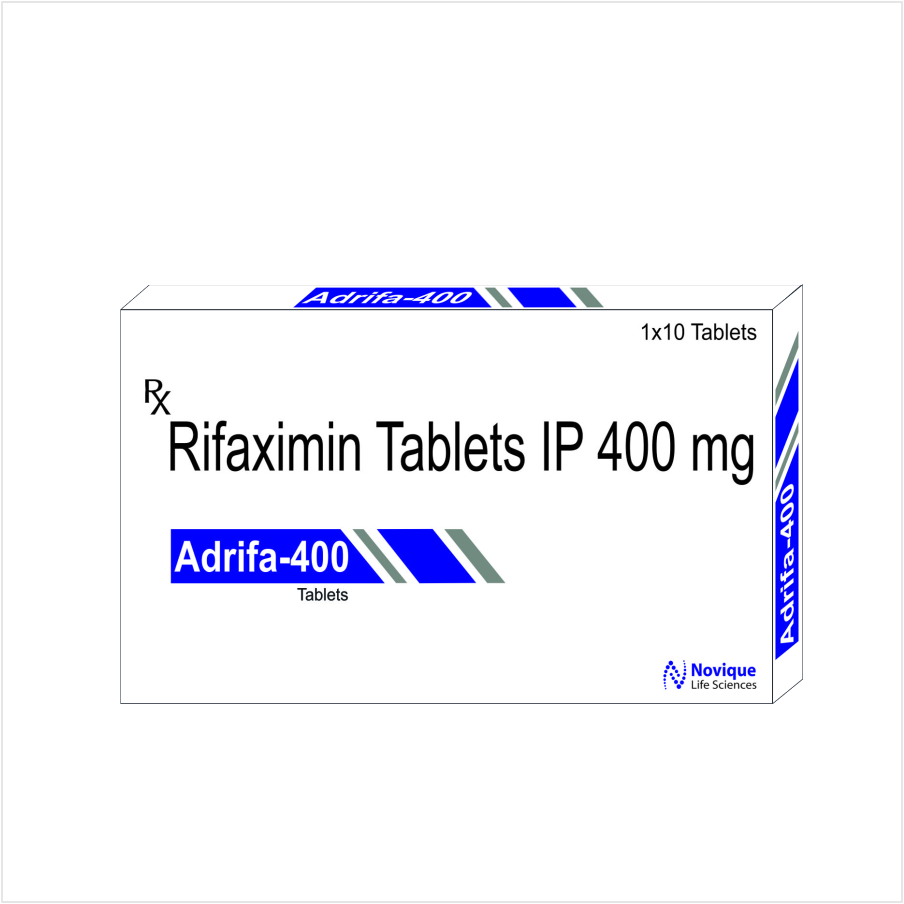
Understanding Rifaximin 400 mg uses safe : Mechanism and Pharmacology
Rifaximin is a semi-synthetic antibiotic derived from rifamycin, with a unique pharmacological profile that distinguishes it from conventional antibiotics. Unlike systemic antibiotics that circulate throughout the body, Rifaximin acts primarily within the gastrointestinal tract with minimal systemic absorption (less than 0.4%). This localized action is central to both its efficacy and safety profile.
Novique Life Sciences Pharmaceutical Insight
At Novique Life Sciences, we emphasize that Rifaximin's unique mechanism involves inhibiting bacterial RNA synthesis through binding to the beta-subunit of bacterial DNA-dependent RNA polymerase. This targeted approach effectively suppresses pathogenic bacteria in the gut while minimizing disruption to beneficial microbiota and reducing systemic side effects.
Primary Medical Uses of Rifaximin 400 mg
The question "Is Rifaximin 400 mg uses Safe" is best answered by examining its approved clinical applications, which are supported by extensive research and regulatory approvals. For comprehensive details on specific applications, refer to our dedicated guide on Rifaximin 400 mg uses.
Hepatic Encephalopathy
FDA-approved for reducing recurrence of overt hepatic encephalopathy in patients with advanced liver disease. Rifaximin 400 mg helps lower blood ammonia levels by targeting ammonia-producing gut bacteria.
Irritable Bowel Syndrome with Diarrhea (IBS-D)
Approved for the treatment of IBS-D in adults. Rifaximin 400 mg administered three times daily for 14 days demonstrates significant improvement in abdominal pain and stool consistency.
Traveler's Diarrhea
Indicated for treatment of traveler's diarrhea caused by non-invasive strains of Escherichia coli. The 400 mg dosage provides rapid symptom relief with minimal systemic effects.
Safety Profile: Is Rifaximin 400 mg Safe for Long-Term Use?
When considering "Is Rifaximin 400 mg uses Safe", clinical evidence strongly supports its safety profile. The drug's minimal systemic absorption (less than 0.4%) significantly reduces risks associated with systemic antibiotics. Common side effects are typically mild and gastrointestinal in nature, including:
- Nausea (occurring in approximately 3-5% of patients)
- Flatulence and abdominal discomfort (2-4%)
- Headache (1-2%)
- Dizziness (less than 1%)
Serious adverse reactions are rare, and the drug shows no evidence of causing C. difficile-associated diarrhea at rates higher than placebo in clinical trials. For patients with hepatic impairment, dosage adjustments are generally not required due to minimal systemic exposure.
Clinical Results and Effectiveness Data
Understanding whether Is Rifaximin 400 mg uses Safe requires examining its clinical outcomes across approved indications:
| Condition | Study Duration | Key Results | Safety Findings |
|---|---|---|---|
| Hepatic Encephalopathy Prevention | 6-month trial | 58% risk reduction in breakthrough episodes compared to placebo | No significant difference in adverse events vs placebo |
| IBS-D Treatment | 14-day treatment + 10-week follow-up | 40% of patients reported adequate relief vs 31% placebo | Similar adverse event profile to placebo group |
| Traveler's Diarrhea | 3-day treatment | Median time to last unformed stool: 32.5 hours (vs 60 hours placebo) | Well-tolerated with minimal side effects |
Novique Life Sciences Quality Assurance
At Novique Life Sciences, we prioritize pharmaceutical quality and safety. Our commitment extends to providing accurate medical information and ensuring healthcare professionals have access to reliable resources. For specific product information including Adrifa (Rifaximin), please refer to our dedicated page: Rifaximin 400 Adrifa Information.
Common Myths About Rifaximin 400 mg - Busted!
Myth 1: Rifaximin is just another systemic antibiotic with the same risks
Reality: Rifaximin's minimal systemic absorption differentiates it fundamentally. With less than 0.4% absorbed, it avoids most systemic antibiotic complications while providing targeted gastrointestinal action.
Myth 2: Rifaximin destroys all gut bacteria indiscriminately
Reality: Rifaximin demonstrates selective antibacterial activity. Studies show it has less impact on beneficial Bifidobacterium and Lactobacillus species compared to broader-spectrum antibiotics when used as directed.
Myth 3: Long-term use inevitably leads to antibiotic resistance
Reality: Rifaximin exhibits low resistance potential due to its unique mechanism. In hepatic encephalopathy studies, long-term use (up to 24 months) showed minimal resistance development compared to systemic alternatives.
Myth 4: Rifaximin is unsafe for patients with liver disease
Reality: Paradoxically, Rifaximin is particularly valuable in liver disease. Its minimal hepatic metabolism and efficacy in reducing ammonia production make it a cornerstone therapy for hepatic encephalopathy prevention.
Important Precautions and Contraindications
While addressing "Is Rifaximin 400 mg uses Safe", it's crucial to note specific precautions:
- Not for systemic infections: Due to minimal absorption, Rifaximin should not be used for infections outside the gastrointestinal tract.
- Clostridium difficile risk: Although low, monitor for diarrhea that persists or worsens during treatment.
- Pregnancy and lactation: Category C; use only if potential benefit justifies potential risk.
- Hypersensitivity: Contraindicated in patients with known hypersensitivity to rifaximin, rifamycin derivatives, or any tablet components.
Frequently Asked Questions About Rifaximin 400 mg Safety
Is Rifaximin 400 mg safe for long-term use?
Yes, Rifaximin 400 mg is generally safe for long-term use under medical supervision, particularly for chronic conditions like hepatic encephalopathy prevention and IBS-D. Unlike systemic antibiotics, its minimal absorption reduces systemic side effects. Studies have demonstrated safety profiles comparable to placebo in trials lasting up to 24 months.
What are the primary uses of Rifaximin 400 mg?
Rifaximin 400 mg is FDA-approved for reducing recurrence of hepatic encephalopathy in patients with advanced liver disease, treating IBS-D (Irritable Bowel Syndrome with Diarrhea) in adults, and traveler's diarrhea caused by non-invasive strains of Escherichia coli. Visit our detailed guide at Rifaximin 400 mg uses for comprehensive information.
Does Rifaximin 400 mg kill good gut bacteria?
Rifaximin is minimally absorbed and has a narrower spectrum than many antibiotics, showing selective antibacterial activity. Studies indicate it has less impact on beneficial gut flora (particularly Bifidobacterium and Lactobacillus species) compared to systemic antibiotics when used as directed for approved indications.
How quickly does Rifaximin 400 mg work?
For traveler's diarrhea, improvement typically occurs within 24-48 hours. For hepatic encephalopathy prevention, benefits in reducing ammonia levels and cognitive symptoms are often seen within weeks. IBS-D symptoms frequently show improvement within 1-2 weeks of starting the standard 14-day treatment course.
Can Rifaximin 400 mg cause antibiotic resistance?
Rifaximin has a low resistance potential due to its unique mechanism of action and minimal systemic absorption. However, as with all antibiotics, it should be used judiciously under medical guidance. Surveillance studies show resistance rates remain low even with prolonged use for approved indications.
Conclusion: Evidence-Based Safety Assessment
After comprehensive examination of clinical data, the question "Is Rifaximin 400 mg uses Safe" can be answered with considerable confidence. Rifaximin 400 mg demonstrates a favorable safety profile supported by extensive clinical research across its approved indications. Its unique pharmacological properties—particularly minimal systemic absorption—distinguish it from traditional antibiotics and contribute to its well-tolerated nature.
For patients with hepatic encephalopathy, IBS-D, or traveler's diarrhea caused by susceptible organisms, Rifaximin 400 mg offers targeted therapeutic benefits with minimal systemic exposure. As with any medication, appropriate patient selection, adherence to approved indications, and medical supervision remain essential. When prescribed correctly, Rifaximin 400 mg represents a valuable tool in gastrointestinal therapeutics with a safety profile that justifies its place in evidence-based medical practice.
Medical Disclaimer from Novique Life Sciences: This information is for educational purposes only and does not constitute medical advice. Always consult with a qualified healthcare professional for diagnosis and treatment of medical conditions. Medication decisions should be made in consultation with your prescribing physician based on individual health circumstances. This guide is presented by Novique Life Sciences as part of our commitment to patient education and healthcare professional support.